
Recurrent Urinary Tract Infections
Harley Street, London
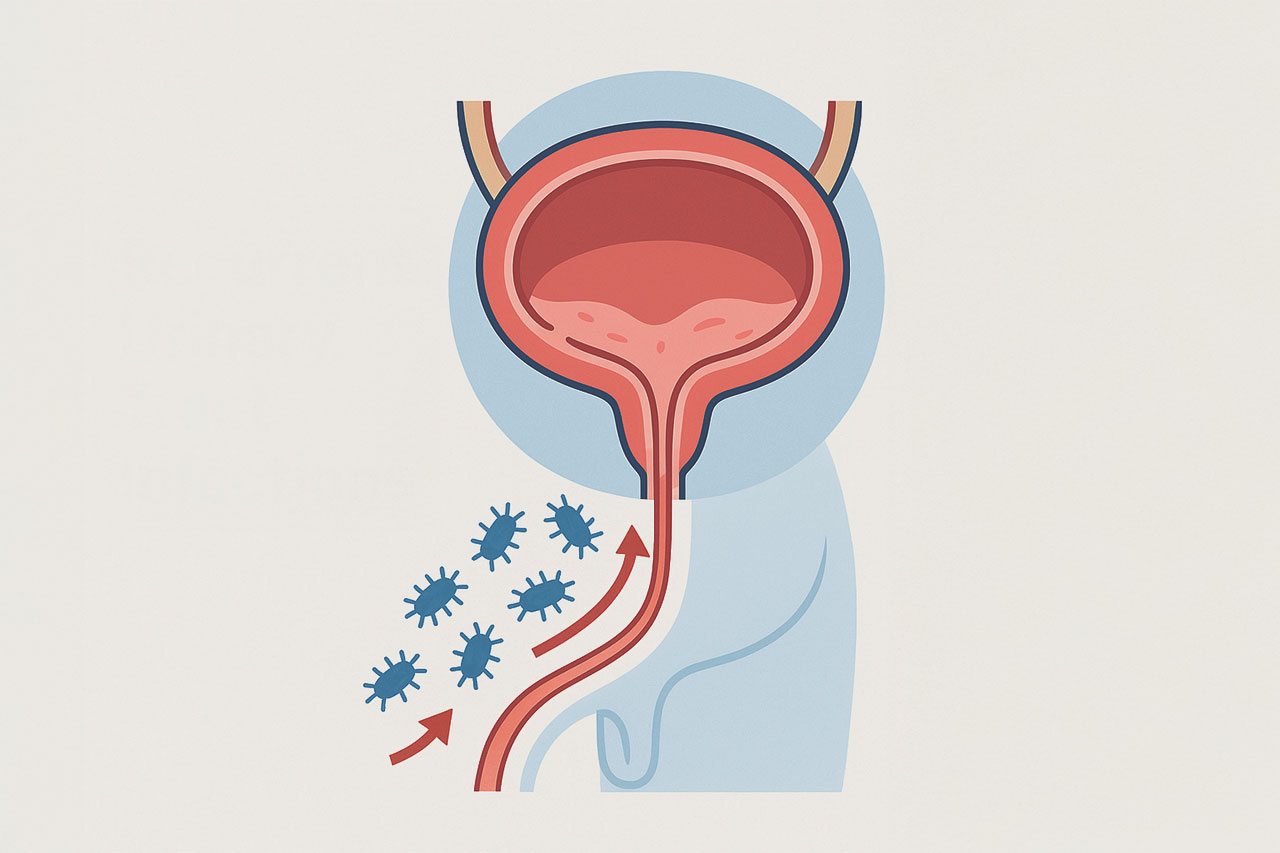
Recurrent urinary tract infections (UTIs) are defined as multiple episodes of UTIs within a specific period, formally classified as at least three UTIs per year or two UTIs within the last six months. These infections can commonly affect the bladder (cystitis) or the kidneys (pyelonephritis) and are more common in women.
Symptoms of recurrent UTIs may include frequent and urgent need to urinate, pain or burning sensation during urination, cloudy or strong-smelling urine, pain in the pelvis, lower abdomen or back and fever and chills in more severe cases.
The diagnosis of recurrent urinary tract infections involves a comprehensive evaluation. Diagnostic procedures may include extended urine cultures to identify the causative bacteria and determine the appropriate antibiotic treatment. Further tests include cystoscopy and imaging studies, to aid diagnosis and exclude underlying conditions like kidney stones, bladder dysfunction or urothelial cancer.
Treatment Options
Various treatment options for recurrent UTIs which need to be tailored to the patient1:
- Behavioural modifications involve encouraging increased water intake, good hygiene practices, and avoiding potential triggers like holding urine for too long.
- Cranberry products (with high doses of proanthocyanidins (PACS)), d-mannose and probiotics can help prevent UTI recurrence.
- Antibiotics are prescribed to treat the current infections and are commonly used as prophylaxis to prevent future episodes although the risk of antibiotic resistance and other side effects needs to be carefully considered.
- In postmenopausal women, vaginal oestrogen therapy can be recommended to reduce the risk of recurrent UTIs
- Methenamine hippurate (Hiprex) works by converting to formaldehyde in the urine, creating an acidic environment that inhibits bacterial growth in the urinary tract whilst reducing the risk of antibiotic resistance.
- Intravesical treatments involve the administration of medications directly into the bladder. These treatments aim to restore the protective lining of the bladder and prevent bacterial adherence, particularly in cases where other preventive measures have been ineffective.
- Vaccines can also play a role in preventing recurrent UTIs 2,3. While there is ongoing research in this area, vaccines targeting specific pathogens or components of the urinary tract microbiome may help boost the immune response and reduce the risk of recurrent infections. Vaccines against certain strains of bacteria commonly associated with UTIs could potentially provide long-term protection against reinfection.
It is important for individuals with recurrent UTIs to discuss these treatment options with their surgeon to determine the most appropriate approach based on their medical history, risk factors, and response to previous treatments. A personalised treatment plan can help effectively manage recurrent UTIs and improve quality of life.
References
- Competitive Inoculation as an Effective Prophylaxis Against Recurrent Urinary Tract Infections: A Systematic Review. Mak Q, Greig J, Ahmed K, Khan S, Dasgupta P, Malde S, Raison N.Int Neurourol J. 2023 Jun;27(2):79-87. doi: 10.5213/inj.2346052.026. 30.PMID: 37401018
- Mak, Q., Greig, J., Dasgupta, P., Malde, S., & Raison, N. (2024). Bacterial Vaccines for the Management of Recurrent Urinary Tract Infections: A Systematic Review and Meta-analysis. European Urology Focus, 10(4), 761–769. https://doi.org/10.1016/j.euf.2024.04.002
- Mak, Q., Greig, J., Dasgupta, P., Malde, S., & Raison, N. (2024). Promising efficacy of UTI vaccines as an alternative to antibiotics. Nature Reviews Urology, 21, 701–702. https://doi.org/10.1038/s41585-024-00905-8
Mr Raison is available for private urology consultations, treatments, and surgical procedures at The London Clinic, Harley Street.